Study Reveals Pandemic Lockdowns Reduced Global Wildfire Activity
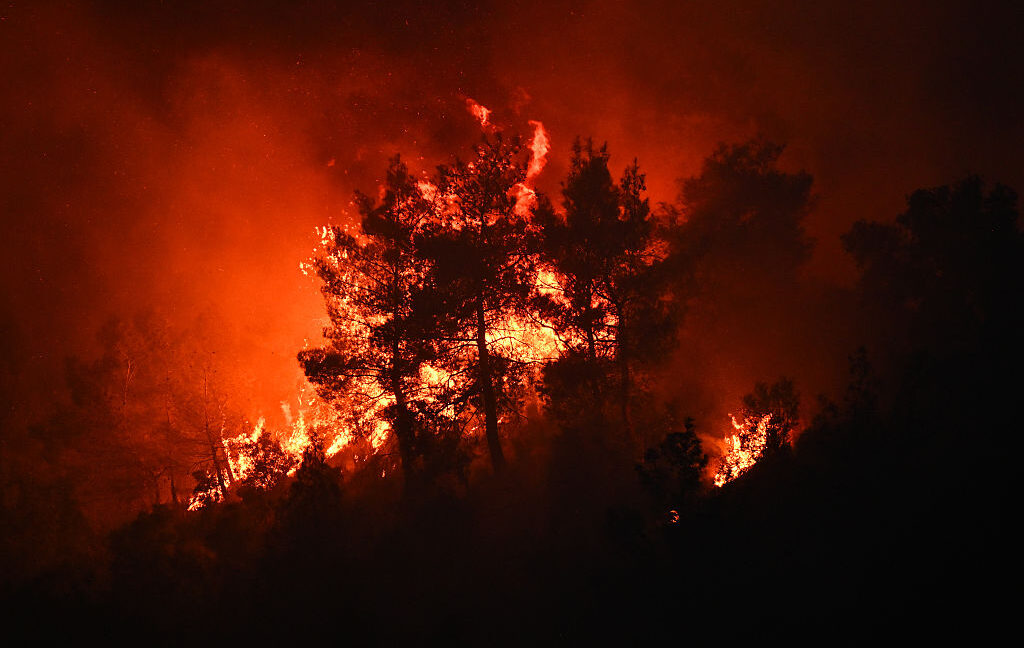
A new scientific study leveraging 2020 pandemic lockdowns as a natural experiment shows that reduced human mobility led to a noticeable drop in wildfire activity worldwide.
 💻Tech
Photo: Ars Technica
Key points
- COVID-19 lockdowns served as a natural experiment to study human impact on wildfires.
- Global active-fire detections dropped by 12.3 percent in regions under mobility restrictions.
- Forests experienced the most significant decrease, dropping by 27.7 percent.
A recent scientific investigation reveals that the abrupt drop in human mobility during the 2020 COVID-19 lockdowns led to a measurable decrease in global wildfire activity. Researchers analyzed satellite heat signatures from NASA and NOAA to compare fire detections during early pandemic restrictions with historical data from 2013 to 2019, adjusting for weather variations.
Led by Jianghao Wang from the Chinese Academy of Sciences and published in Cell Reports Sustainability, the study utilized the pandemic as a rare natural experiment. Because seasonal changes and weather normally intertwine human behavior with fire risks, the widespread lockdowns created a unique scenario where human activity plummeted independently of standard climate shifts.
The findings indicate that regions under mobility restrictions experienced roughly 12.3 percent fewer active-fire detections compared to recent historical averages. The reduction was most pronounced in forested areas, which saw a 27.7 percent drop in fires, while grasslands experienced an 8.4 percent decline. Other landscapes, including shrublands and croplands, showed minimal changes during the period.
"The early-2020 lockdowns produced an abrupt, large-scale drop in human mobility, and the timing differed across countries while the weather did not change in the same way," explained Jianghao Wang.
While humans frequently ignite wildfires through outdoor activities, they also play a vital role in suppression and prevention. The satellite data, however, could not differentiate between accidental wildfires, deliberate arson, and controlled prescribed burns used to clear flammable materials.
Source Ars Technica — arstechnica.com/science/2026/11/how-the-worlds-fires-changed-while-huma… ↗
Read next
 📈Economy
Japan Tobacco Shares Rise Amid Potential Imperial Brands Takeover Bid
Japan Tobacco shares rose following reports of a potential partnership to acquire British cigarette maker Imperial Brands, which is also being eyed by Altria.
 🏛️Politics
Philippine digital activists scrutinize 2027 national budget for corruption
A growing movement of Filipino influencers and tech professionals is utilizing digital tools to audit government spending and identify potential red flags in the 2027 nat…
 📈Economy
Argentina Bans Central Bank From Printing Money to Fund Government
Argentina's Congress has passed legislation prohibiting the central bank from financing government spending, marking a major shift in the nation's fiscal policy.
 🏛️Politics
DOJ Reportedly Lacked Access to Rubio Memo in Nvidia CEO Investigation
The U.S. Department of Justice reportedly never received a key intelligence memo that triggered the brief ouster of Nvidia CEO Jensen Huang. The revelation adds complexit…
 🏛️Politics
New Book Alleges Financial Ties Between Jared Kushner and Gulf States
A new book by journalist Matthew Cole alleges that Jared Kushner received $2 billion in funding from Saudi and Emirati sources during his time as a Trump administration o…
EU Budget Summit Concludes Early as Key Appointments Announced
European leaders have wrapped up budget discussions prematurely, while Pablo Hernández de Cos is tapped to lead the European Central Bank.