German Eye Clinics Accused of Overcharging Patients for Cataract Lenses
German eye clinics, particularly large chains, are facing accusations of systematically overcharging patients by hundreds of millions of euros for specialized lenses during cataract surgeries, according to an investigation by NDR.
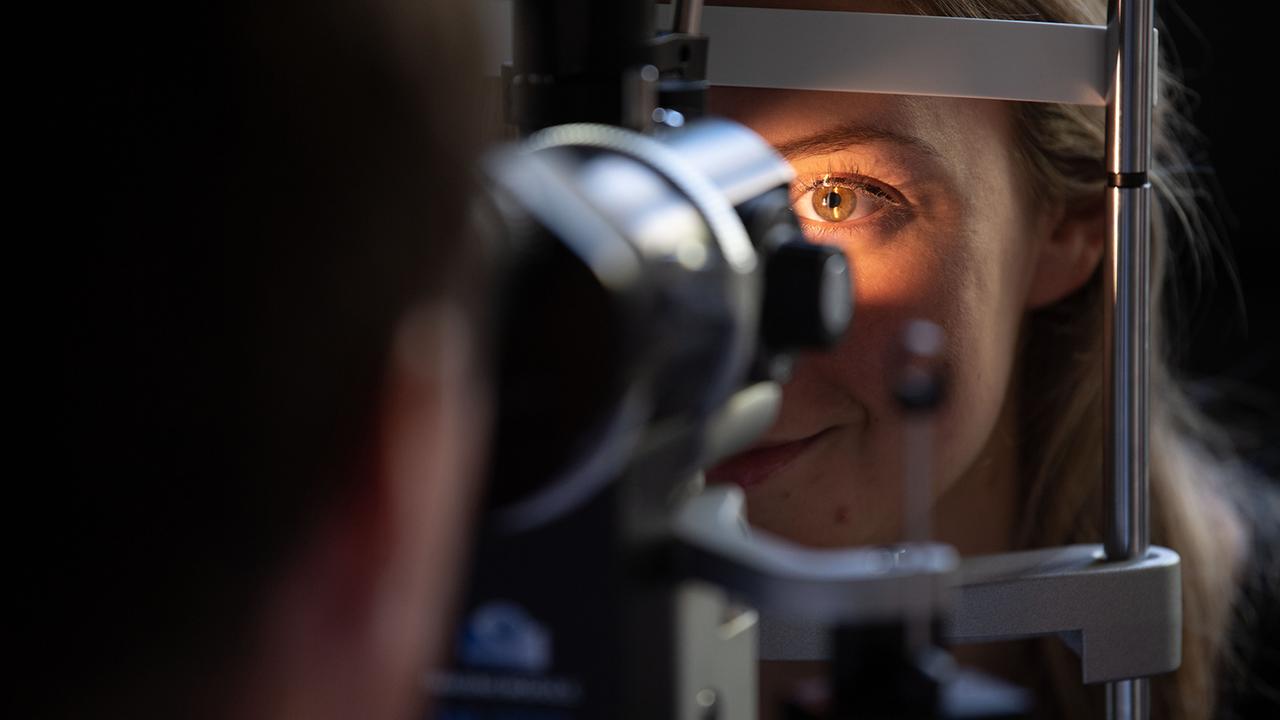 👥Society
Photo: Tagesschau
Key points
- German eye clinics are accused of overcharging for cataract surgery lenses.
- NDR investigation suggests hundreds of millions of euros in excess payments.
- Patients paid for 'premium lenses' and unnecessary preliminary examinations.
- Medical experts criticize billing practices as inappropriate and excessive.
- Federal authorities have urged health insurers to better inform patients.
German Eye Clinics Accused of Overcharging Patients for Cataract Lenses
An investigation by German broadcaster NDR suggests that eye clinics, especially large chains, have systematically overcharged patients for specialized lenses used in cataract operations, potentially collecting hundreds of millions of euros in excess payments. Many patients report paying significant out-of-pocket sums for so-called "premium lenses," despite health insurance typically covering the full cost of standard lenses.
Detlef Jurzok, one patient, paid 799 euros for a special lens after his cataract surgery earlier this year. However, a detailed breakdown he later requested revealed the lens itself only cost 71.90 euros more than a standard lens. The remaining charges were attributed to numerous, often duplicated or unnecessary, preliminary examinations for the "premium lens." Jurzok's experience mirrors those of over a thousand other patients who have contacted NDR with similar billing patterns.
Medical law expert Andreas Spickhoff from Ludwig-Maximilians-University, who reviewed anonymized bills, stated that "boundaries are being crossed in various ways," citing inadmissible flat fees and a lack of detailed service breakdowns. Jan Tode of Hannover Medical School also criticized the practices, calling many billed examinations superfluous and noting instances where standard procedures were grossly overcharged, exploiting patients' lack of understanding.
The investigation indicates that some clinics charge over 500 euros for lenses that should be fully covered by health insurance, and more than 2,000 euros for other special lenses, even though the actual cost of the lenses is much lower. In response to NDR's initial reporting in May, the Federal Office for Social Security (BAS) issued a circular in late October, urging health insurance providers to better inform their members about their rights regarding lens costs.
Source Tagesschau — tagesschau.de/investigativ/ndr/augenaerzte-grauer-star-100.html ↗
Read next
 📈Economy
Japan Tobacco Shares Rise Amid Potential Imperial Brands Takeover Bid
Japan Tobacco shares rose following reports of a potential partnership to acquire British cigarette maker Imperial Brands, which is also being eyed by Altria.
 🏛️Politics
Philippine digital activists scrutinize 2027 national budget for corruption
A growing movement of Filipino influencers and tech professionals is utilizing digital tools to audit government spending and identify potential red flags in the 2027 nat…
 📈Economy
Argentina Bans Central Bank From Printing Money to Fund Government
Argentina's Congress has passed legislation prohibiting the central bank from financing government spending, marking a major shift in the nation's fiscal policy.
 🏛️Politics
DOJ Reportedly Lacked Access to Rubio Memo in Nvidia CEO Investigation
The U.S. Department of Justice reportedly never received a key intelligence memo that triggered the brief ouster of Nvidia CEO Jensen Huang. The revelation adds complexit…
 🏛️Politics
New Book Alleges Financial Ties Between Jared Kushner and Gulf States
A new book by journalist Matthew Cole alleges that Jared Kushner received $2 billion in funding from Saudi and Emirati sources during his time as a Trump administration o…
EU Budget Summit Concludes Early as Key Appointments Announced
European leaders have wrapped up budget discussions prematurely, while Pablo Hernández de Cos is tapped to lead the European Central Bank.