Germany Pilots Flexible Nursing Model to Combat Healthcare Crisis
A new pilot project in Rhineland-Palatinate replaces rigid task-based billing with flexible time budgets to improve patient independence and staff retention.
 🔬Science & Health
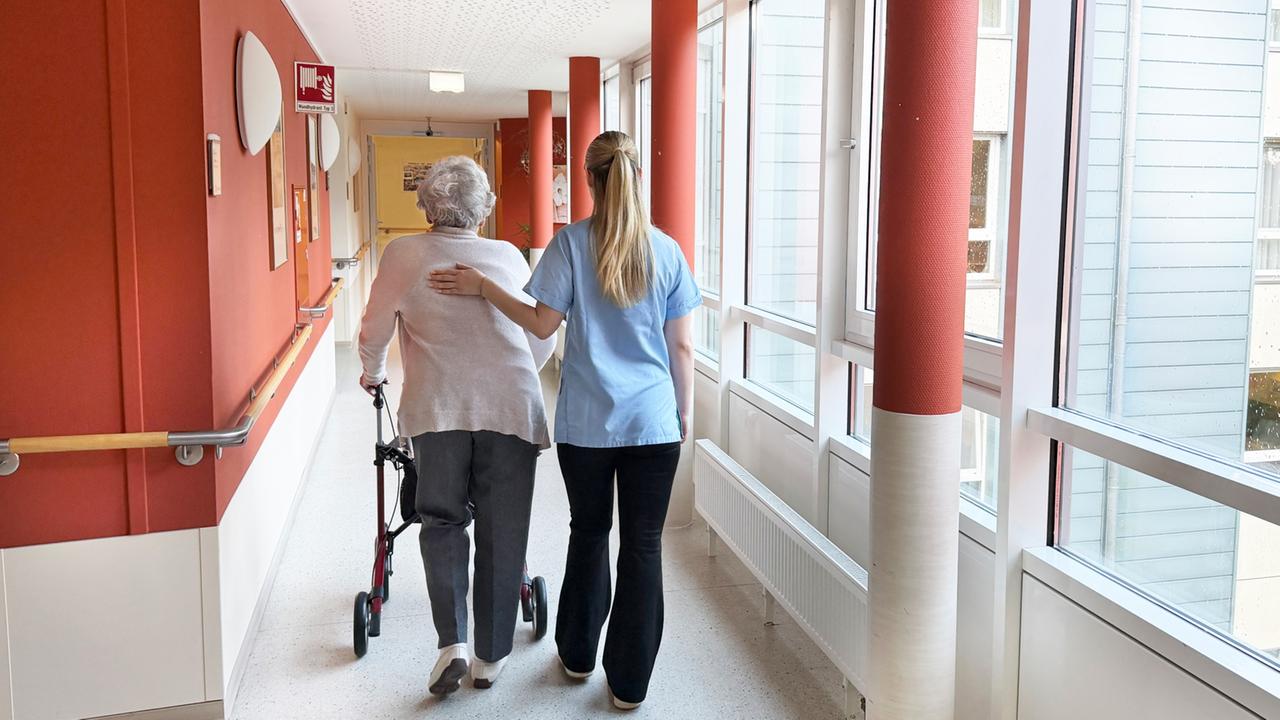
Photo: Tagesschau
Key points
- The project replaces task-based billing with flexible time budgets for caregivers.
- Early data shows significant improvements in patient recovery and independence.
- Staff turnover has plummeted due to increased professional autonomy and flatter hierarchies.
- A two-year scientific study begins in December to assess nationwide implementation.
A pilot project in the German state of Rhineland-Palatinate is challenging traditional nursing structures by replacing rigid, task-oriented billing with flexible time budgets. The initiative, titled "Pflege ganz aktiv" (Active Care), prioritizes patient autonomy and rehabilitation over the standard checklist of services like washing or dressing.
Under the current German healthcare catalog, caregivers are often forced to perform tasks for patients to meet billing requirements, even if the patient could potentially do them alone. This new model provides a set duration of time, allowing staff to decide with the patient how to best utilize that window. Early results show that patients regain independence faster; in one instance, a patient reduced her need for professional help from daily visits to just once a week.
Impact on Healthcare Labor
The project also addresses the chronic labor shortage in the nursing sector. By using self-organized teams with flat hierarchies, the model has reported high employee satisfaction and almost zero staff turnover. Caregivers report that the ability to focus on holistic patient needs rather than rushing through a list of chores makes the profession more attractive to new recruits.
As the German Bundestag debates broader nursing reforms, this specific model is moving toward a critical evaluation phase. Starting in December, the project will undergo a two-year scientific study to determine its long-term viability. If the results remain positive, the flexible billing system could be implemented nationwide to replace the current rigid reimbursement structures.
Source Tagesschau — tagesschau.de/inland/gesellschaft/pflege-neues-modell-ambulant-100.… ↗
Read next
 📈Economy
Japan Tobacco Shares Rise Amid Potential Imperial Brands Takeover Bid
Japan Tobacco shares rose following reports of a potential partnership to acquire British cigarette maker Imperial Brands, which is also being eyed by Altria.
 🏛️Politics
Philippine digital activists scrutinize 2027 national budget for corruption
A growing movement of Filipino influencers and tech professionals is utilizing digital tools to audit government spending and identify potential red flags in the 2027 nat…
 📈Economy
Argentina Bans Central Bank From Printing Money to Fund Government
Argentina's Congress has passed legislation prohibiting the central bank from financing government spending, marking a major shift in the nation's fiscal policy.
 🏛️Politics
DOJ Reportedly Lacked Access to Rubio Memo in Nvidia CEO Investigation
The U.S. Department of Justice reportedly never received a key intelligence memo that triggered the brief ouster of Nvidia CEO Jensen Huang. The revelation adds complexit…
 🏛️Politics
New Book Alleges Financial Ties Between Jared Kushner and Gulf States
A new book by journalist Matthew Cole alleges that Jared Kushner received $2 billion in funding from Saudi and Emirati sources during his time as a Trump administration o…
EU Budget Summit Concludes Early as Key Appointments Announced
European leaders have wrapped up budget discussions prematurely, while Pablo Hernández de Cos is tapped to lead the European Central Bank.