Turkish Farmers Shift Crops as Drought Threatens Agricultural Output
Severe water shortages are forcing Turkish farmers to abandon water-intensive crops like cotton in favor of more resilient alternatives. The crisis highlights the urgent need for infrastructure modernization ahead of the COP31 climate summit.
 🔬Science & Health
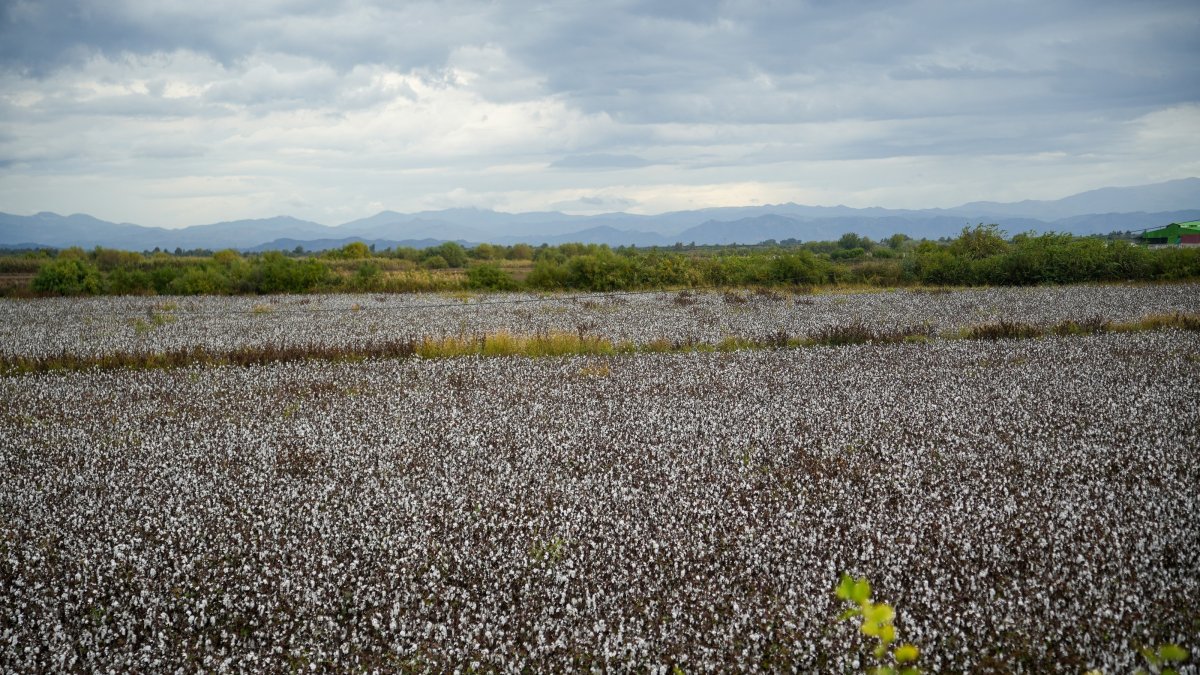
Photo: Daily Sabah
Key points
- Cotton output in Türkiye is projected to fall 38% by 2026 due to drought.
- Agriculture accounts for 79% of the country's total water consumption.
- A 10% drop in water supply could cost the Turkish economy approximately $50 billion.
Farmers across Türkiye are increasingly abandoning traditional cotton cultivation as persistent drought conditions and rising operational costs reshape the nation's agricultural landscape. In the Söke region, cotton acreage has plummeted by approximately 60% this year, with many producers opting for wheat and sunflowers to mitigate water dependency.
Agriculture remains a vital component of the Turkish economy, yet it consumes 79% of the country's water supply. Government data indicates that nearly half of this water is lost due to aging infrastructure and inefficient irrigation methods. While the state has pledged a 40.5% increase in funding for land and water management, totaling 174 billion Turkish liras, experts argue that technical support and private sector involvement remain insufficient.
Financial barriers continue to hinder widespread adoption of modern, water-saving technologies. Many farmers operate on rented land or lack the necessary collateral to secure loans for irrigation upgrades. International organizations note that a significant segment of the farming population possesses virtually no capacity to self-finance these critical transitions, creating a persistent gap in climate adaptation.
The World Bank has previously estimated that a 10% reduction in water availability could result in a 6% decline in Türkiye's GDP due to the resulting agricultural instability.
As Türkiye prepares to host the COP31 climate conference, the pressure to move beyond nonbinding pledges is mounting. The government is now looking toward green-finance instruments and water-efficiency certifications to incentivize private investment in sustainable farming, hoping to avoid the long-term economic consequences of failing to adapt to a changing climate.
Source Daily Sabah — dailysabah.com/business/economy/droughts-test-farmers-in-cop31-host… ↗
Read next
 📈Economy
Japan Tobacco Shares Rise Amid Potential Imperial Brands Takeover Bid
Japan Tobacco shares rose following reports of a potential partnership to acquire British cigarette maker Imperial Brands, which is also being eyed by Altria.
 🏛️Politics
Philippine digital activists scrutinize 2027 national budget for corruption
A growing movement of Filipino influencers and tech professionals is utilizing digital tools to audit government spending and identify potential red flags in the 2027 nat…
 📈Economy
Argentina Bans Central Bank From Printing Money to Fund Government
Argentina's Congress has passed legislation prohibiting the central bank from financing government spending, marking a major shift in the nation's fiscal policy.
 🏛️Politics
DOJ Reportedly Lacked Access to Rubio Memo in Nvidia CEO Investigation
The U.S. Department of Justice reportedly never received a key intelligence memo that triggered the brief ouster of Nvidia CEO Jensen Huang. The revelation adds complexit…
 🏛️Politics
New Book Alleges Financial Ties Between Jared Kushner and Gulf States
A new book by journalist Matthew Cole alleges that Jared Kushner received $2 billion in funding from Saudi and Emirati sources during his time as a Trump administration o…
EU Budget Summit Concludes Early as Key Appointments Announced
European leaders have wrapped up budget discussions prematurely, while Pablo Hernández de Cos is tapped to lead the European Central Bank.