Climate Change Disrupts Hibernation Cycles in European Wildlife
Rising temperatures and extreme weather are forcing hibernating animals to alter their metabolic strategies, threatening their survival and reproductive success.
 🔬Science & Health
Photo: Tagesschau
Key points
- Warmer winters force hibernating animals to burn through energy reserves faster.
- Summer droughts limit the food supply, leaving animals underweight before winter.
- Different species are adopting varied, sometimes unpredictable, hibernation strategies to cope.
Climate change is destabilizing the biological mechanisms of hibernating animals, as warmer winters and erratic summer weather disrupt their energy-saving cycles. Species such as hedgehogs, dormice, and bats are experiencing significant shifts in their hibernation patterns, which rely on precise metabolic suppression to survive the food-scarce winter months.
Long-term research on dormice in Germany’s Schönbuch forest reveals that milder winters cause these animals to wake more frequently, depleting vital fat reserves. Zoologist Joanna Fietz notes that these animals emerge from hibernation earlier and in poorer physical condition, which directly reduces their reproductive success and the viability of their offspring.
Simultaneously, extreme summer heat and drought are complicating the pre-hibernation period. Experts report that dry soil conditions have reduced the availability of insects and worms, leaving animals like hedgehogs unable to accumulate sufficient weight. This malnutrition, combined with dehydration, has led to increased mortality rates among younger populations.
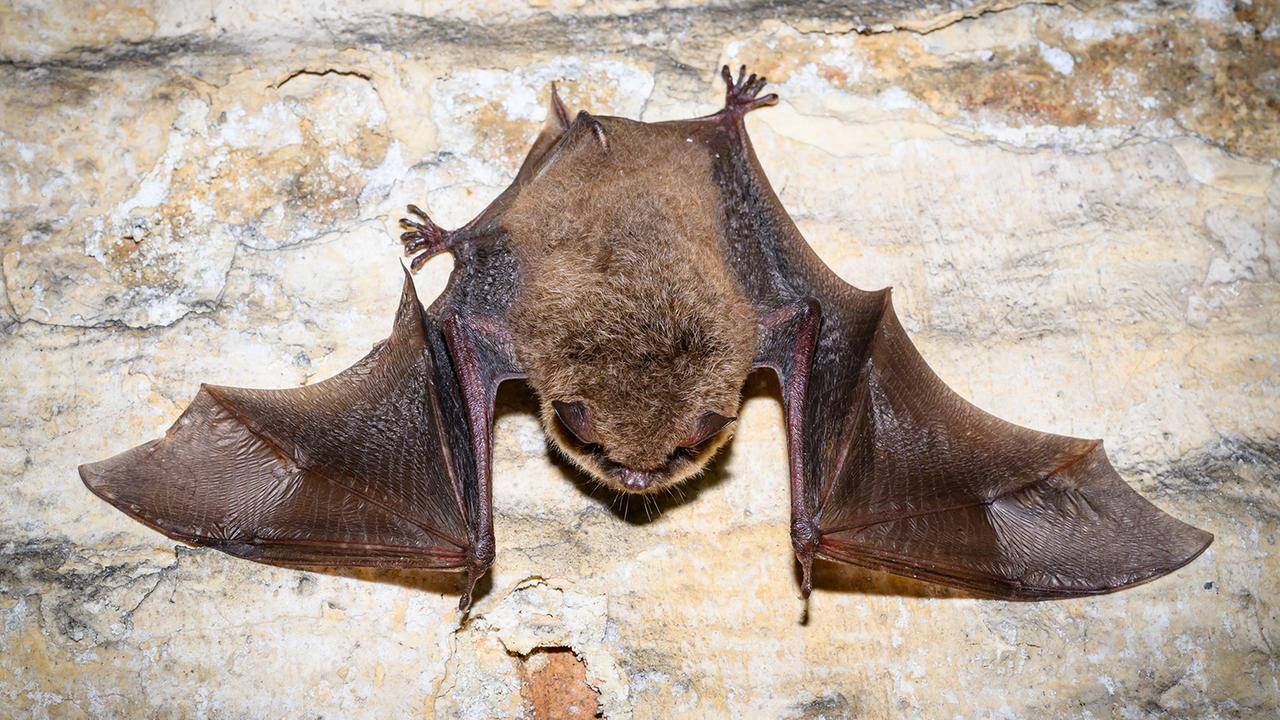
Adaptation strategies vary significantly between species. While some bats have shortened their hibernation periods due to rising temperatures, others, like the Daubenton’s bat, have extended their sleep to compensate for the earlier depletion of their aquatic insect food sources. These shifts highlight the complex and often precarious ways wildlife is attempting to survive a rapidly warming environment.
Source Tagesschau — tagesschau.de/wissen/winterschlaf-klimawandel-tiere-100.html ↗
Read next
 📈Economy
Japan Tobacco Shares Rise Amid Potential Imperial Brands Takeover Bid
Japan Tobacco shares rose following reports of a potential partnership to acquire British cigarette maker Imperial Brands, which is also being eyed by Altria.
 🏛️Politics
Philippine digital activists scrutinize 2027 national budget for corruption
A growing movement of Filipino influencers and tech professionals is utilizing digital tools to audit government spending and identify potential red flags in the 2027 nat…
 📈Economy
Argentina Bans Central Bank From Printing Money to Fund Government
Argentina's Congress has passed legislation prohibiting the central bank from financing government spending, marking a major shift in the nation's fiscal policy.
 🏛️Politics
DOJ Reportedly Lacked Access to Rubio Memo in Nvidia CEO Investigation
The U.S. Department of Justice reportedly never received a key intelligence memo that triggered the brief ouster of Nvidia CEO Jensen Huang. The revelation adds complexit…
 🏛️Politics
New Book Alleges Financial Ties Between Jared Kushner and Gulf States
A new book by journalist Matthew Cole alleges that Jared Kushner received $2 billion in funding from Saudi and Emirati sources during his time as a Trump administration o…
EU Budget Summit Concludes Early as Key Appointments Announced
European leaders have wrapped up budget discussions prematurely, while Pablo Hernández de Cos is tapped to lead the European Central Bank.