Vitamin C May Block Stomach Chemicals Linked to Cancer, Study Finds
University of Waterloo researchers developed a mathematical model showing that vitamin C can disrupt chemical reactions in the stomach that form potentially cancer-causing compounds from dietary nitrates and nitrites.
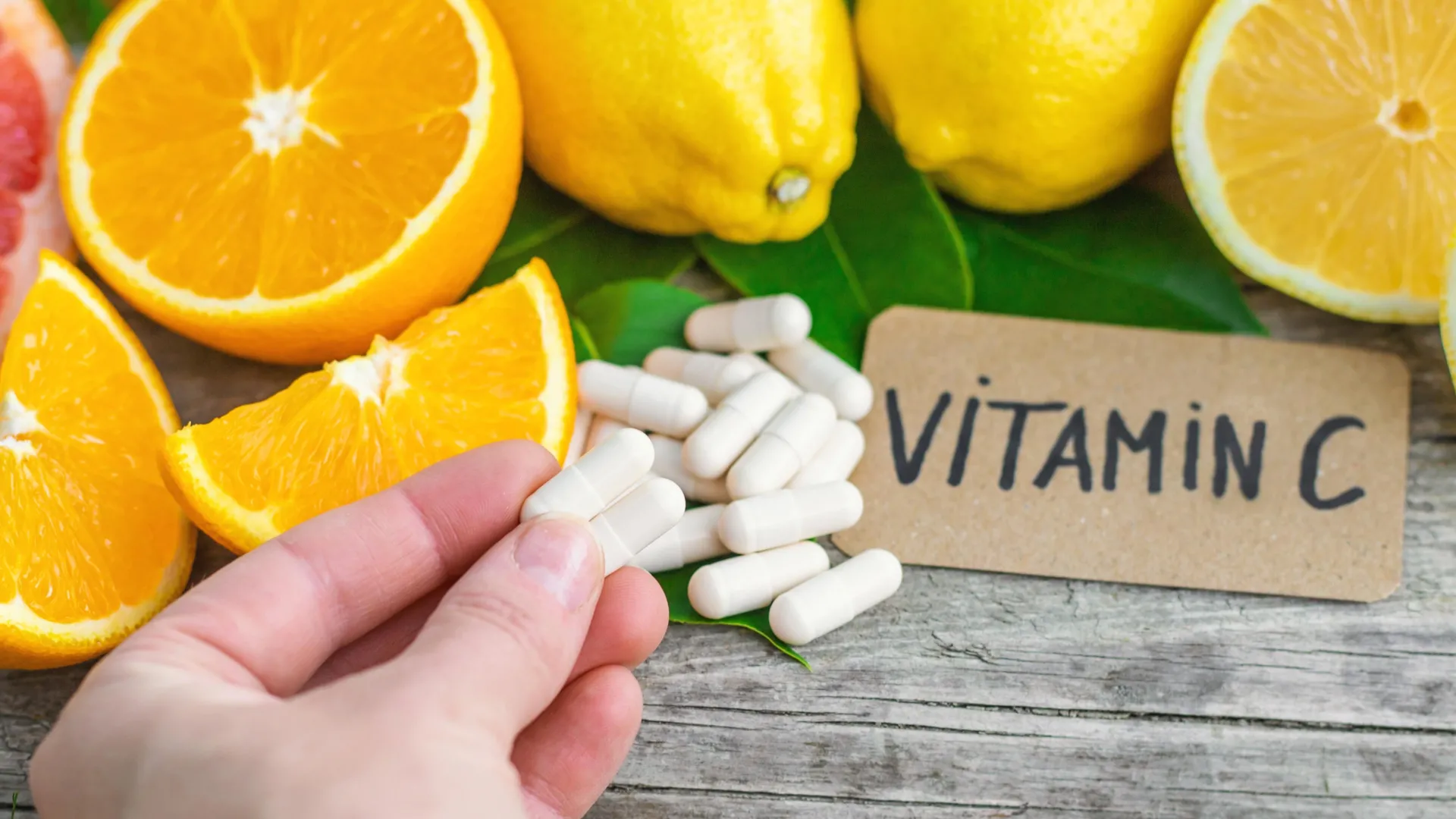 🔬Science & Health
Photo: ScienceDaily
Key points
- Waterloo researchers used mathematical modeling to study stomach chemistry.
- Vitamin C was found to disrupt nitrosation, a process that forms cancer-linked compounds.
- Natural combinations in foods like spinach or post-meal supplements may lower risks.
A new mathematical modeling study conducted by researchers at the University of Waterloo indicates that vitamin C may help block the formation of potentially cancer-causing chemicals in the digestive system. Scientists examined how vitamin C influences nitrosation, a process occurring in the stomach when nitrates and nitrites from food undergo chemical reactions linked to cancer risk.
Exposure to nitrates and nitrites has risen in North American diets over recent decades. These compounds are commonly found in cured meats like bacon and salami, as well as fruits and vegetables grown in polluted soil or water. While these substances support cardiovascular and brain functions, they can create harmful byproducts during digestion.
The research team simulated the movement of nitrates and nitrites through the human body, incorporating the salivary glands, stomach, small intestine, and blood plasma. The simulations showed that dietary vitamin C disrupts harmful chemical reactions. This interaction may account for why foods rich in natural nitrates—such as spinach, which also contains vitamin C—do not carry identical health risks.
Furthermore, the model suggests that taking vitamin C supplements after meals could moderately lower the production of nitrosation products, particularly when consuming processed meats. Lead author Dr. Gordon McNicol noted that these insights help resolve decades of conflicting findings regarding dietary compounds and cancer risks.
The study relies entirely on mathematical simulations rather than clinical trials. Senior author Dr. Anita Layton emphasized that the model serves as a roadmap for future laboratory and clinical research to determine exact impacts on human health.
Source ScienceDaily — sciencedaily.com/releases/2026/11/261114202236.htm ↗
Read next
 📈Economy
Japan Tobacco Shares Rise Amid Potential Imperial Brands Takeover Bid
Japan Tobacco shares rose following reports of a potential partnership to acquire British cigarette maker Imperial Brands, which is also being eyed by Altria.
 🏛️Politics
Philippine digital activists scrutinize 2027 national budget for corruption
A growing movement of Filipino influencers and tech professionals is utilizing digital tools to audit government spending and identify potential red flags in the 2027 nat…
 📈Economy
Argentina Bans Central Bank From Printing Money to Fund Government
Argentina's Congress has passed legislation prohibiting the central bank from financing government spending, marking a major shift in the nation's fiscal policy.
 🏛️Politics
DOJ Reportedly Lacked Access to Rubio Memo in Nvidia CEO Investigation
The U.S. Department of Justice reportedly never received a key intelligence memo that triggered the brief ouster of Nvidia CEO Jensen Huang. The revelation adds complexit…
 🏛️Politics
New Book Alleges Financial Ties Between Jared Kushner and Gulf States
A new book by journalist Matthew Cole alleges that Jared Kushner received $2 billion in funding from Saudi and Emirati sources during his time as a Trump administration o…
EU Budget Summit Concludes Early as Key Appointments Announced
European leaders have wrapped up budget discussions prematurely, while Pablo Hernández de Cos is tapped to lead the European Central Bank.