How Psychological Framing and Mindset Shape Physical Fitness Routines
Recent behavioral science reveals that shifting cognitive framing, recognizing everyday activity, and building supportive social habits can significantly improve physical fitness consistency and overall health.
 🔬Science & Health
Photo: CNA
Key points
- Cognitive framing changes how the brain perceives physical fatigue and exercise.
- Underestimating physical activity can trigger negative physiological and dietary habits.
- Building an active identity and automatic routines supports long-term fitness goals.
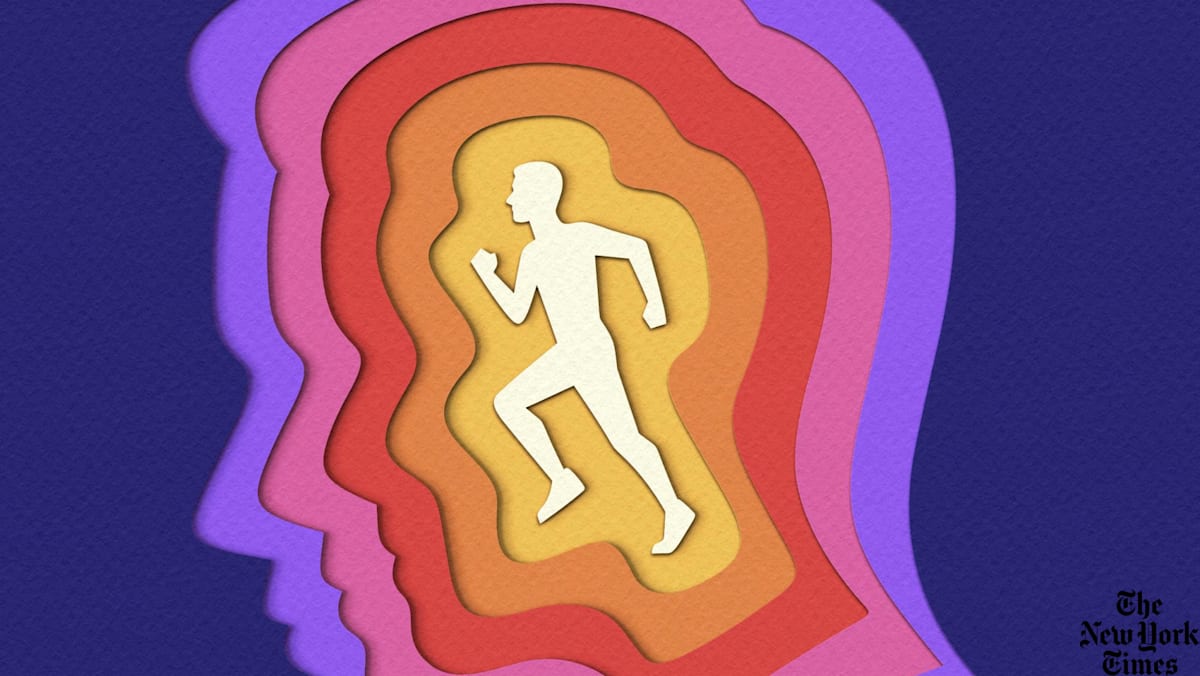
Psychological research demonstrates that individual mindset plays a critical role in establishing and maintaining consistent physical activity. Experts note that shifting perspective from viewing exercise as a burdensome chore to framing it as a welcome opportunity to move after a sedentary day can fundamentally alter workout motivation.
Studies highlighted by behavioral specialists indicate that focusing on enjoyment, relaxation, and social connection during fitness classes dramatically reduces dropout rates compared to simply emphasizing public health guidelines. Furthermore, perceptions of physical activity levels directly impact physiological and mental well-being. Experiments involving step-trackers revealed that individuals receiving deflated step counts suffered from increased blood pressure, reduced self-esteem, and poorer dietary choices due to a psychological phenomenon known as the "what the hell effect."
Conversely, participants receiving accurate or inflated step counts experienced enhanced mental health, improved aerobic capacity, and adopted healthier eating habits. Researchers suggest that feeling successful in physical activity fosters a healthier identity, which naturally encourages other positive lifestyle behaviors over time.
Establishing an action-oriented mindset involves consciously creating environmental conditions that make movement automatic, such as laying out workout apparel the evening prior or scheduling routine walks with neighbors. Psychologists emphasize that surrounding oneself with active peers and recognizing incidental physical activity—such as household chores or active commuting—further reinforces a sustainable fitness identity.
Source CNA — channelnewsasia.com/wellness/fitness-mindset-how-train-brain-6542011 ↗
Read next
 📈Economy
Japan Tobacco Shares Rise Amid Potential Imperial Brands Takeover Bid
Japan Tobacco shares rose following reports of a potential partnership to acquire British cigarette maker Imperial Brands, which is also being eyed by Altria.
 🏛️Politics
Philippine digital activists scrutinize 2027 national budget for corruption
A growing movement of Filipino influencers and tech professionals is utilizing digital tools to audit government spending and identify potential red flags in the 2027 nat…
 📈Economy
Argentina Bans Central Bank From Printing Money to Fund Government
Argentina's Congress has passed legislation prohibiting the central bank from financing government spending, marking a major shift in the nation's fiscal policy.
 🏛️Politics
DOJ Reportedly Lacked Access to Rubio Memo in Nvidia CEO Investigation
The U.S. Department of Justice reportedly never received a key intelligence memo that triggered the brief ouster of Nvidia CEO Jensen Huang. The revelation adds complexit…
 🏛️Politics
New Book Alleges Financial Ties Between Jared Kushner and Gulf States
A new book by journalist Matthew Cole alleges that Jared Kushner received $2 billion in funding from Saudi and Emirati sources during his time as a Trump administration o…
EU Budget Summit Concludes Early as Key Appointments Announced
European leaders have wrapped up budget discussions prematurely, while Pablo Hernández de Cos is tapped to lead the European Central Bank.