Vaccine Development Lags Behind Recurring Ebola Outbreaks
Despite decades of knowledge, the lack of a licensed vaccine for the Bundibugyo Ebola variant highlights persistent gaps in global health preparedness.
 🔬Science & Health
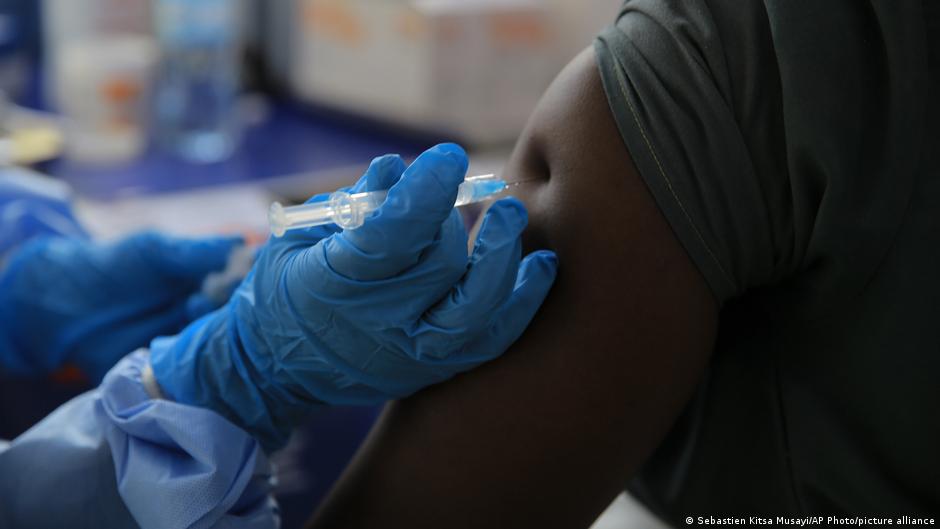
Photo: DW English
Key points
- No licensed vaccine exists for the Bundibugyo Ebola variant currently circulating in the DRC.
- Existing Ebola vaccines are primarily effective against the Zaire strain, limiting their use in the current outbreak.
- Researchers warn that deploying unproven vaccines could erode public trust and hinder clinical data collection.
- The Tumaini study is currently testing multiple candidates, but widespread availability is not expected until 2027.
Fifty years after the first documented Ebola epidemic in the Democratic Republic of Congo, the region is again battling a major outbreak. This current crisis involves the Bundibugyo virus, a variant identified in 2007, for which no licensed vaccine or official treatment currently exists. Medical experts argue that critical opportunities to develop targeted countermeasures were missed during previous outbreaks in 2007 and 2012.
The scientific community faces a paradox: while Ebola is considered a predictable and viable candidate for vaccine development compared to more volatile pathogens, funding and prioritization often shift toward other strains. Existing vaccines, such as Ervebo, are specifically licensed for the Zaire variant and offer limited utility against the current Bundibugyo pathogen. Researchers are now investigating whether cross-reactive immune responses from existing vaccines could provide partial protection, though efficacy remains unproven.
Deploying experimental vaccines during active outbreaks presents significant ethical and logistical challenges. Experts warn that mass vaccination without confirmed efficacy could undermine public trust and complicate future research efforts. Furthermore, medical innovation is frequently hampered by regional conflict, poor infrastructure, and the slow speed of response.
New initiatives, such as the Tumaini study in the DRC, are currently testing multiple vaccine candidates, including mRNA technology. However, experts caution that widespread availability of an effective vaccine for this variant is unlikely before mid-2027.
Source DW English — dw.com/en/ebola-why-is-there-still-no-vaccine/a-79888134?maca=en-rs… ↗
Read next
 📈Economy
Japan Tobacco Shares Rise Amid Potential Imperial Brands Takeover Bid
Japan Tobacco shares rose following reports of a potential partnership to acquire British cigarette maker Imperial Brands, which is also being eyed by Altria.
 🏛️Politics
Philippine digital activists scrutinize 2027 national budget for corruption
A growing movement of Filipino influencers and tech professionals is utilizing digital tools to audit government spending and identify potential red flags in the 2027 nat…
 📈Economy
Argentina Bans Central Bank From Printing Money to Fund Government
Argentina's Congress has passed legislation prohibiting the central bank from financing government spending, marking a major shift in the nation's fiscal policy.
 🏛️Politics
DOJ Reportedly Lacked Access to Rubio Memo in Nvidia CEO Investigation
The U.S. Department of Justice reportedly never received a key intelligence memo that triggered the brief ouster of Nvidia CEO Jensen Huang. The revelation adds complexit…
 🏛️Politics
New Book Alleges Financial Ties Between Jared Kushner and Gulf States
A new book by journalist Matthew Cole alleges that Jared Kushner received $2 billion in funding from Saudi and Emirati sources during his time as a Trump administration o…
EU Budget Summit Concludes Early as Key Appointments Announced
European leaders have wrapped up budget discussions prematurely, while Pablo Hernández de Cos is tapped to lead the European Central Bank.