Democrats Secure Congressional Control, Setting Stage for Climate Policy Standoff
Democratic victories in the November 3 elections have granted the party control of both houses of Congress, providing a legislative check against the Trump administration’s aggressive climate deregulation agenda.
 🏛️Politics
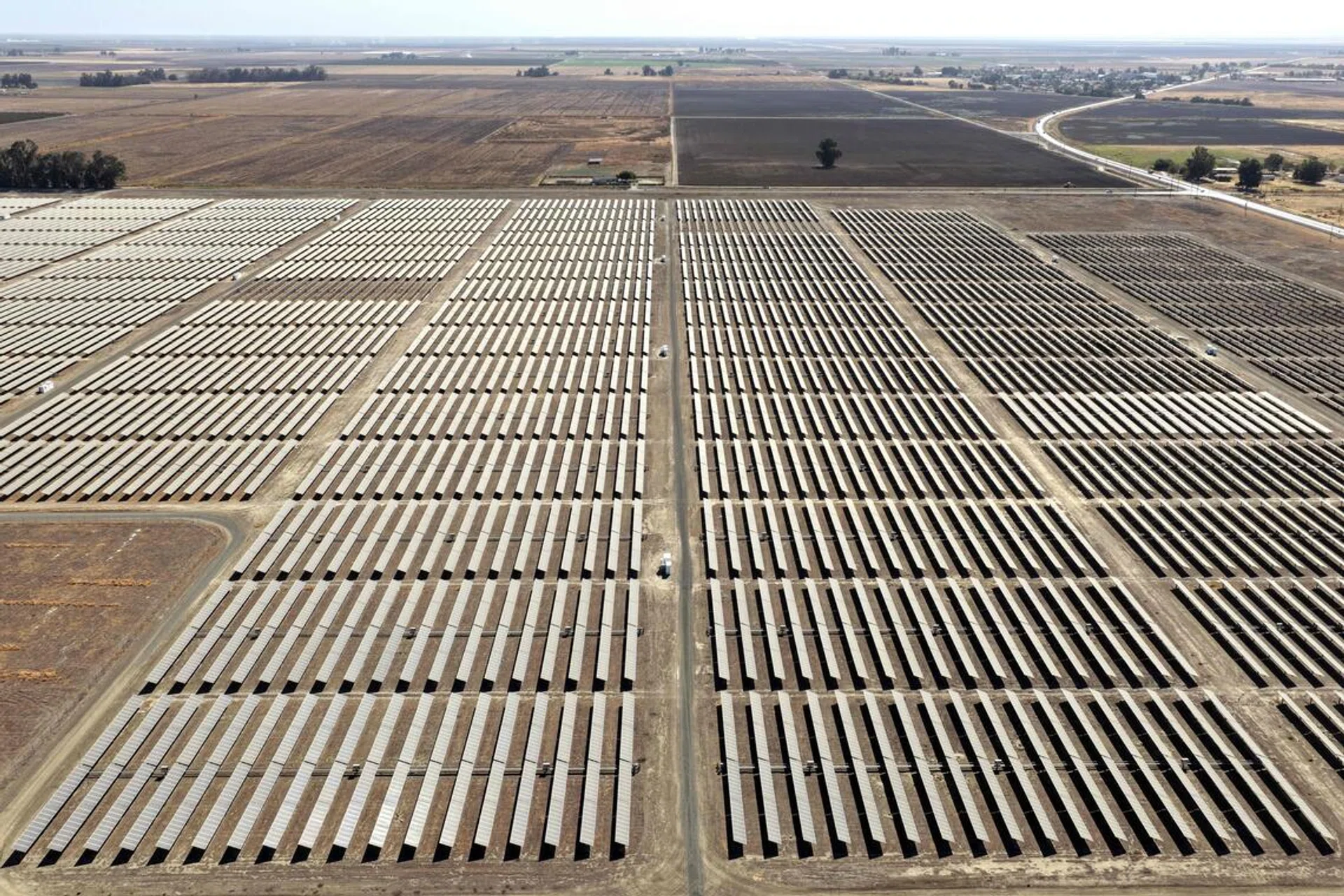
Photo: Straits Times World
Key points
- Democrats gain control of both houses of Congress, limiting Trump's ability to enact further climate rollbacks.
- Legislators plan to use federal funding power and subpoena authority to counter administration policies.
- The political strategy will pivot toward framing climate action as a means to lower energy costs and inflation.
- The U.S. faces a challenge in reclaiming influence in the global clean-tech sector, particularly in Asian markets.
The shift in congressional power marks a significant pivot point for U.S. environmental policy. While President Donald Trump has prioritized the rollback of green regulations and the promotion of fossil fuel interests, a Democratic-led legislature now holds the authority to obstruct further efforts to dismantle renewable energy investments.
Experts suggest that the Democrats will utilize funding bills as their primary leverage, as they lack the numbers to override potential presidential vetoes. By withholding or conditioning appropriations, they aim to restore clean-energy funding and defend existing environmental standards. Additionally, new subpoena powers will allow Congress to conduct rigorous oversight of administration actions regarding climate policy.
Despite the legislative shift, analysts caution that a major policy reset is unlikely in the immediate future. The Democratic strategy will likely focus on reframing climate initiatives as economic imperatives—emphasizing job creation, energy affordability, and cost-of-living reductions—to align with voter priorities. Meanwhile, state-level initiatives in regions like Michigan and Pennsylvania are expected to continue driving progress in battery storage and community solar projects.
The international impact remains complex, as the U.S. faces a diminished role in the global clean-tech transition. With Asian markets increasingly independent of American climate diplomacy and trade, the U.S. must navigate a landscape where its influence on global emissions and renewable supply chains has been significantly challenged by current protectionist policies.
Source Straits Times World — straitstimes.com/world/united-states/democrats-must-carefully-refra… ↗
Read next
 📈Economy
Japan Tobacco Shares Rise Amid Potential Imperial Brands Takeover Bid
Japan Tobacco shares rose following reports of a potential partnership to acquire British cigarette maker Imperial Brands, which is also being eyed by Altria.
 📈Economy
Argentina Bans Central Bank From Printing Money to Fund Government
Argentina's Congress has passed legislation prohibiting the central bank from financing government spending, marking a major shift in the nation's fiscal policy.
EU Budget Summit Concludes Early as Key Appointments Announced
European leaders have wrapped up budget discussions prematurely, while Pablo Hernández de Cos is tapped to lead the European Central Bank.
 💻Tech
Researchers Use AI to Optimize Molecular Cage Catalysts
Scientists from the universities of Birmingham, Edinburgh, and Oxford have developed a high-speed screening method paired with machine learning to identify highly efficie…
 📈Economy
UK to Pay Participation Fees for New EU Trade Agreements
The British government has confirmed it will pay operational contributions and an additional 4% participation fee to access EU systems for new trade and regulatory agreem…
 🌍World
Diplomatic Tensions Rise After Clashes at Besiktas-Hapoel Football Match
A UEFA Europa League match between Turkey's Besiktas and Israel's Hapoel Beer-Sheva in Georgia was disrupted by violent clashes between fans and police, triggering a dipl…