EU Imposes Non-Negotiable Safeguards on Candidate Nations to Block Future 'Orbáns'
The European Union is introducing strict new safeguards for accession countries, including potential voting rights suspensions, leaving candidates like Montenegro with a take-it-or-leave-it choice.
 🏛️Politics
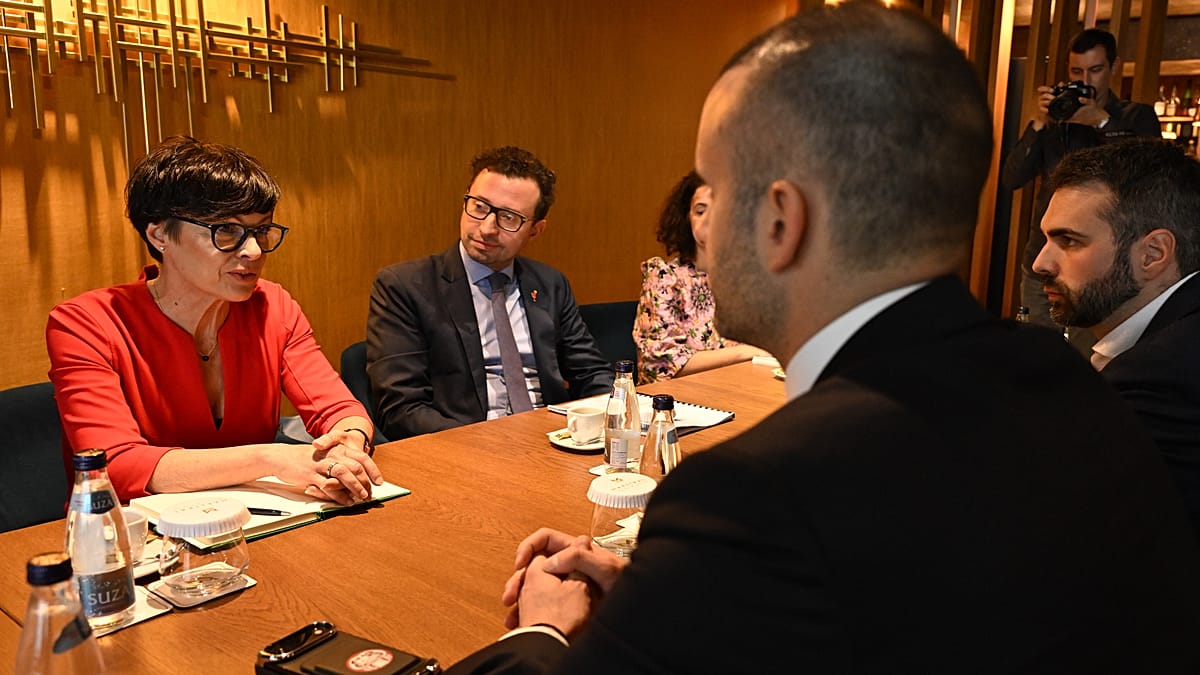
Photo: Euronews
Key points
- EU introduces non-negotiable 15-year probation period for new member states.
- Measures target potential veto abuse, drawing lessons from Hungary's political leverage.
- Montenegro faces a take-it-or-leave-it choice with no direct input on the safeguards.
The European Union is advancing a rigid framework of institutional safeguards for incoming member states, designed to prevent future blockades similar to those experienced under Hungary's leadership. Spearheaded by the European Commission, the proposed measures include a 15-year probation period and the potential suspension of voting rights for serious violations of EU values. Montenegro, currently the frontrunner in the accession process, faces a strict non-negotiable ultimatum to accept the terms or abandon its integration goals.
While previous accession treaties for countries like Romania, Bulgaria, and Croatia featured safeguards limited to internal market and justice rules, the new framework specifically addresses political blockades. The initiative follows persistent veto friction involving Hungarian Prime Minister Viktor Orbán. Enlargement Commissioner Marta Kos emphasized that the objective is to prevent future member states from leveraging bloc decisions, bluntly stating the policy aims to block any recurrence of similar political impasses.
Candidate nations have been granted no formal role in shaping these rules, departing from the standard interactive negotiation chapters. Although Montenegrin officials have refrained from open criticism to avoid stalling their integration path, regional capitals have expressed unease over the 15-year duration and the extensive powers granted to the Commission. Meanwhile, EU member states remain divided, with Italy advocating for proportionate, tailor-made measures and the Netherlands pushing for uniform rules across all applicants.
Source Euronews — euronews.com/2026/11/10/eu-candidates-will-not-have-a-say-on-anti-o… ↗
Read next
 📈Economy
Japan Tobacco Shares Rise Amid Potential Imperial Brands Takeover Bid
Japan Tobacco shares rose following reports of a potential partnership to acquire British cigarette maker Imperial Brands, which is also being eyed by Altria.
 📈Economy
Argentina Bans Central Bank From Printing Money to Fund Government
Argentina's Congress has passed legislation prohibiting the central bank from financing government spending, marking a major shift in the nation's fiscal policy.
EU Budget Summit Concludes Early as Key Appointments Announced
European leaders have wrapped up budget discussions prematurely, while Pablo Hernández de Cos is tapped to lead the European Central Bank.
 💻Tech
Researchers Use AI to Optimize Molecular Cage Catalysts
Scientists from the universities of Birmingham, Edinburgh, and Oxford have developed a high-speed screening method paired with machine learning to identify highly efficie…
 📈Economy
UK to Pay Participation Fees for New EU Trade Agreements
The British government has confirmed it will pay operational contributions and an additional 4% participation fee to access EU systems for new trade and regulatory agreem…
 🌍World
Diplomatic Tensions Rise After Clashes at Besiktas-Hapoel Football Match
A UEFA Europa League match between Turkey's Besiktas and Israel's Hapoel Beer-Sheva in Georgia was disrupted by violent clashes between fans and police, triggering a dipl…