German Chancellor Merz Demands Deeper EU Budget Cuts and Linked Ukraine Aid
German Chancellor Friedrich Merz has rejected a proposed EU budget compromise in Brussels, demanding further spending reductions and tying his approval to mandatory Ukraine funding for all member states.
 🏛️Politics
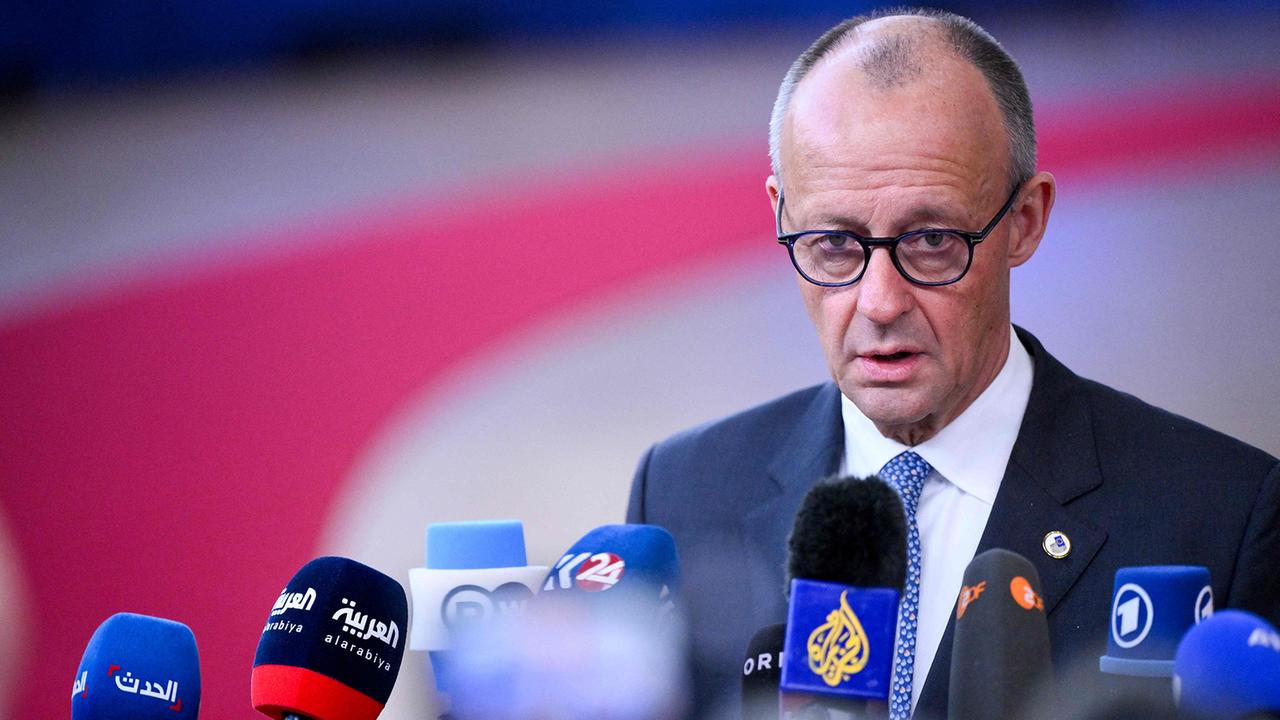
Photo: Tagesschau
Key points
- German Chancellor Friedrich Merz rejects the current EU budget compromise proposal.
- Merz links his approval of the 2028-2034 financial framework to mandatory Ukraine aid for all 27 EU states.
- Net-contributor nations clash with countries prioritizing structural funds and regional subsidies.
German Chancellor Friedrich Merz called for deeper reductions to the European Union's long-term budget during a special summit in Brussels. Rejecting a compromise proposal put forward by the EU presidency, Merz argued that the overall financial volume remains too high for member states to comfortably finance.
The negotiations focus on the Multiannual Financial Framework covering the years 2028 through 2034. EU Council President António Costa had previously proposed trimming approximately 204 billion euros from the European Commission's initial draft, bringing the total to 1.78 trillion euros.
Beyond the overall budget size, Merz insisted that all 27 EU nations must contribute to financial assistance for Ukraine. Currently, Slovakia, the Czech Republic, and Hungary are exempt from backing a running 90-billion-euro loan package. The German leader made his consent to the broader multi-year financial framework conditional on universal participation in Ukrainian support, warning that a failure to end the conflict risks triggering new refugee waves.
The demand met resistance from several capitals. Czech Prime Minister Andrej Babis argued that funding for Ukraine should be negotiated separately because his country requires domestic funds for other priorities. Conversely, Austrian Chancellor Christian Stocker backed the German position, stressing the need for a unified community-wide solution.
Discussions have exposed a deep divide between net contributors like Germany—who favor strict spending caps—and nations defending high structural funds. No final agreement is expected during the current summit, with negotiations likely extending toward a decisive meeting ahead of Christmas.
Source Tagesschau — tagesschau.de/ausland/europa/eu-haushalt-ukraine-100.html ↗
Read next
 📈Economy
Japan Tobacco Shares Rise Amid Potential Imperial Brands Takeover Bid
Japan Tobacco shares rose following reports of a potential partnership to acquire British cigarette maker Imperial Brands, which is also being eyed by Altria.
 📈Economy
Argentina Bans Central Bank From Printing Money to Fund Government
Argentina's Congress has passed legislation prohibiting the central bank from financing government spending, marking a major shift in the nation's fiscal policy.
EU Budget Summit Concludes Early as Key Appointments Announced
European leaders have wrapped up budget discussions prematurely, while Pablo Hernández de Cos is tapped to lead the European Central Bank.
 💻Tech
Researchers Use AI to Optimize Molecular Cage Catalysts
Scientists from the universities of Birmingham, Edinburgh, and Oxford have developed a high-speed screening method paired with machine learning to identify highly efficie…
 📈Economy
UK to Pay Participation Fees for New EU Trade Agreements
The British government has confirmed it will pay operational contributions and an additional 4% participation fee to access EU systems for new trade and regulatory agreem…
 🌍World
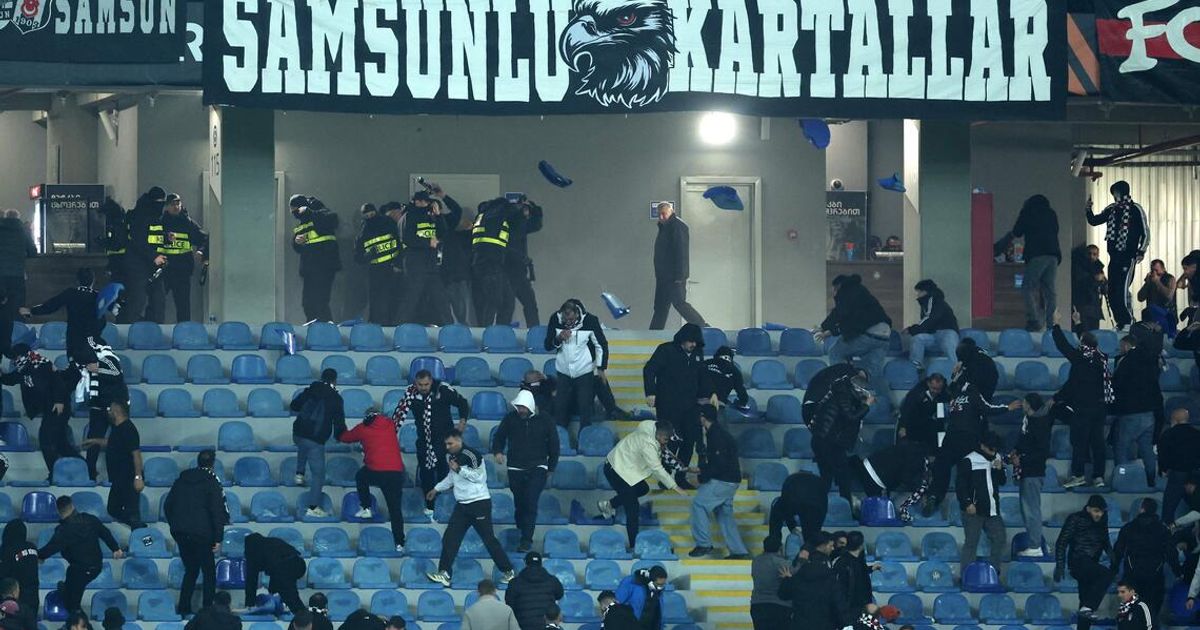
Diplomatic Tensions Rise After Clashes at Besiktas-Hapoel Football Match
A UEFA Europa League match between Turkey's Besiktas and Israel's Hapoel Beer-Sheva in Georgia was disrupted by violent clashes between fans and police, triggering a dipl…